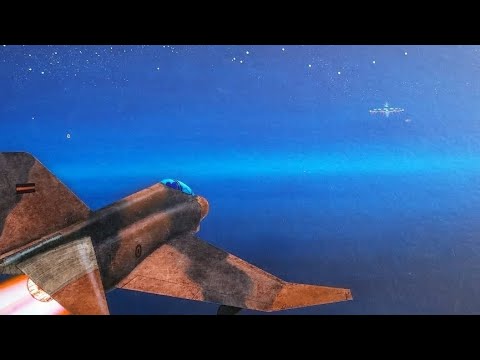
The Tehran F-4 Incident

September 18-19, 1976 · Tehran, Iran

⭐ High Evidence Rating 🛩️ Military Encounter aka The Tehran UFO Battle · Case #6

On the night of September 18-19, 1976, residents of Tehran reported a massive luminous object over the city. Two Imperial Iranian Air Force F-4 Phantom II interceptors were scrambled. Both jets lost all instrumentation and communications when approaching the object — systems that restored upon withdrawal. When Major Parviz Jafari attempted to fire an AIM-9 Sidewinder missile, all weapons systems failed simultaneously. The object was tracked on ground radar, airborne radar at 27 nautical miles, and visually confirmed by pilots, a general, and an air traffic controller. A declassified DIA report called the incident "outstanding" — a "classic" that "meets all the criteria for a ufological study." The report was forwarded to the White House and National Security Council.

📍 Tehran, Iran 🧭 35.69°N, 51.39°E 📋 Case #6 📚 Research compiled 2026-07-31

📸 Photo Gallery

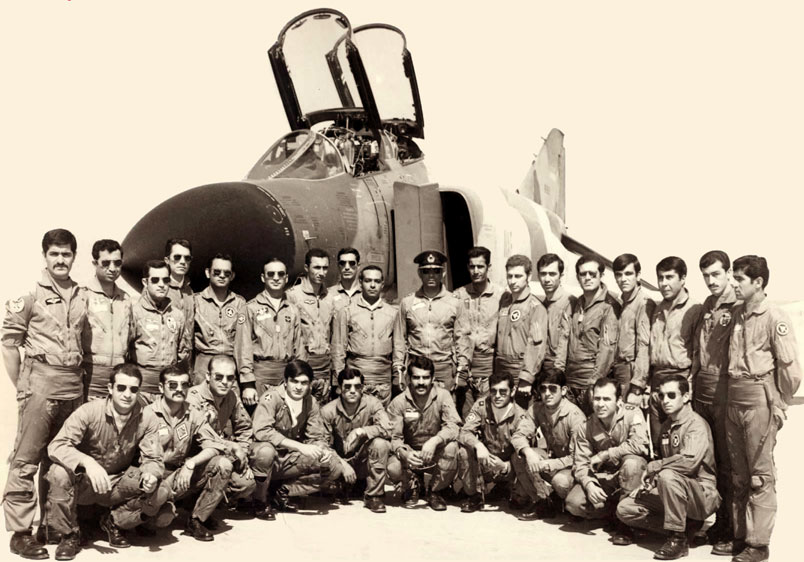
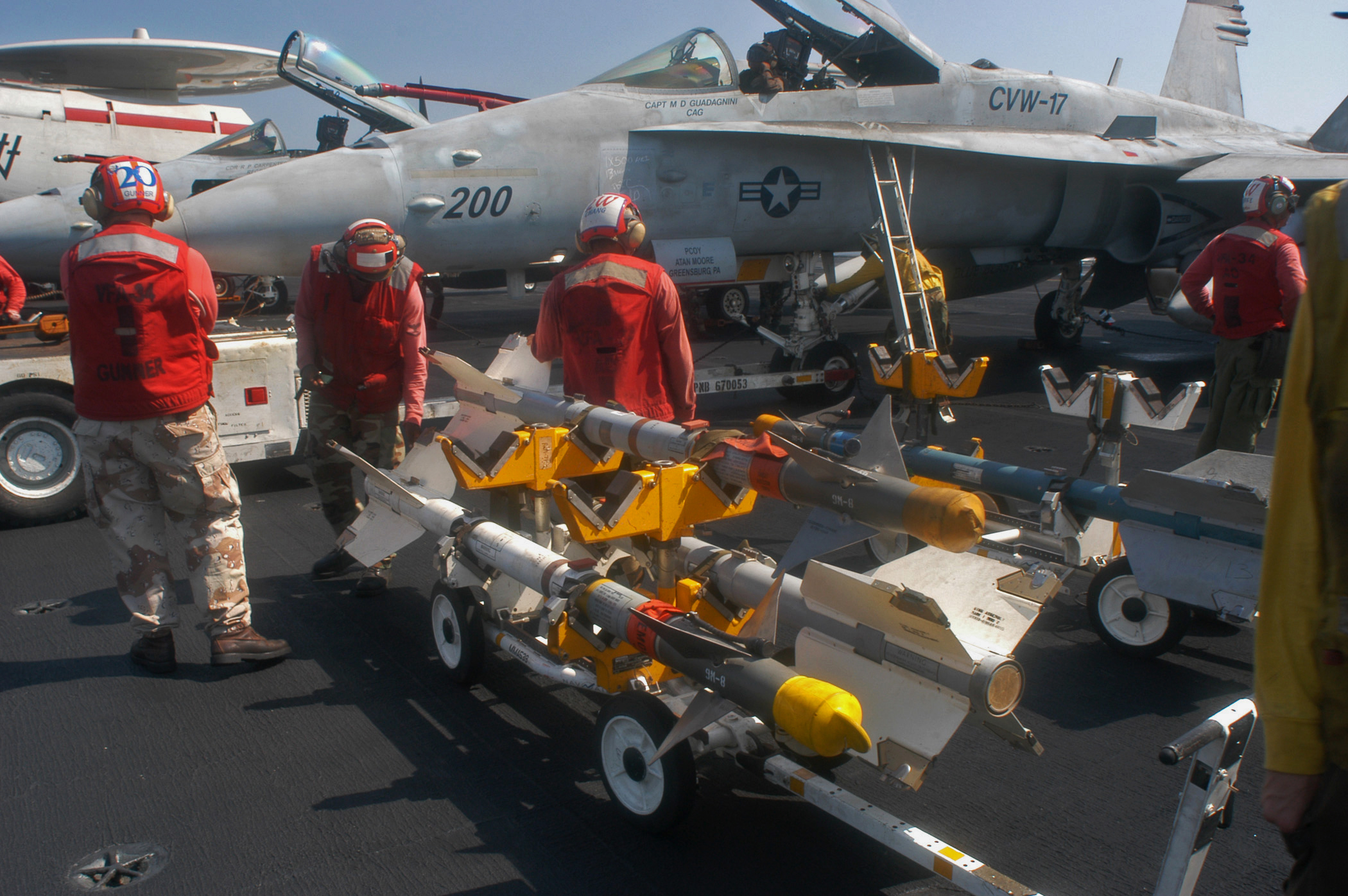
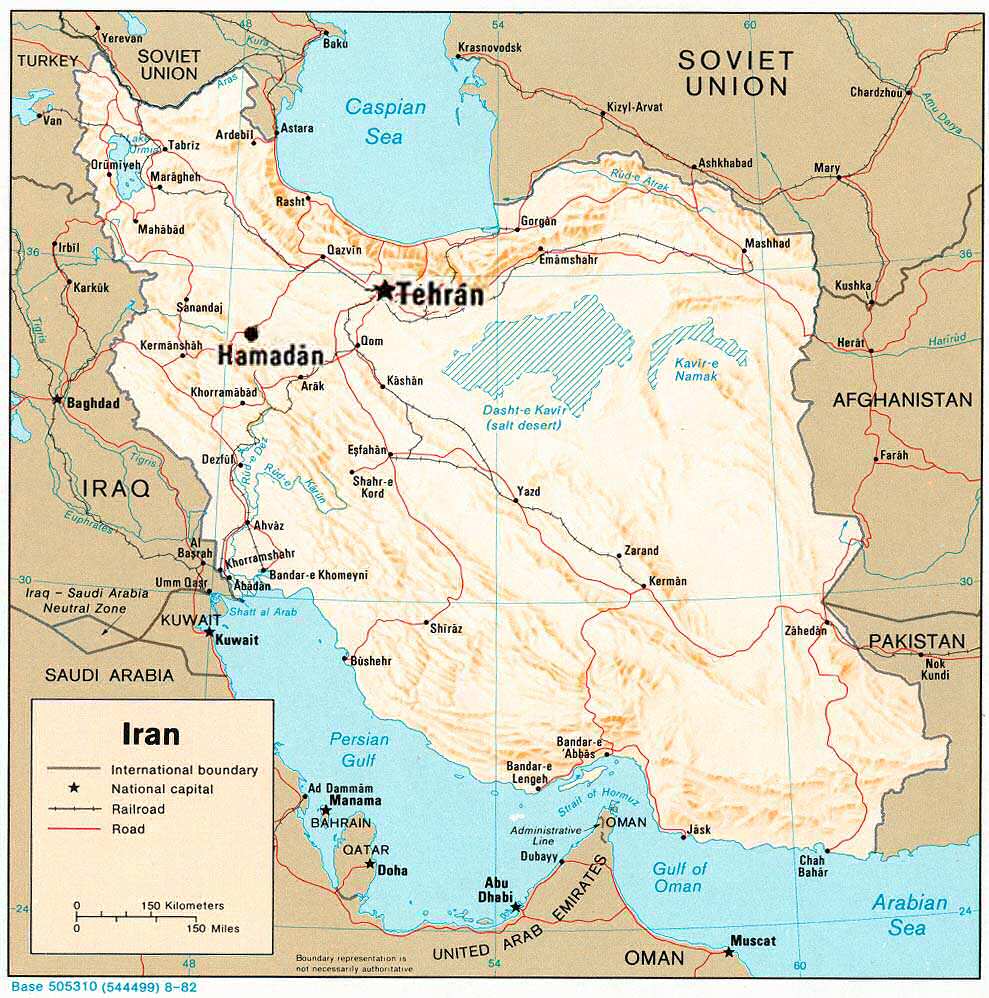
Twelve images — the F-4 Phantom II interceptor aircraft used by the Imperial Iranian Air Force, the AIM-9 Sidewinder missile that failed to fire, Mehrabad Airport where the object was first reported, maps of Iran and Tehran, a radar scope display, and panoramic views of Tehran. Click any photo to view full size.

📖 The Full Story

The night two F-4 interceptors lost all instruments over Tehran, a missile lock failed, a smaller object detached, and the DIA called it "outstanding" — one of the most well-documented military UFO encounters in history.

On September 19, 1976, multiple civilians and military personnel in Tehran, Iran, reported a massive unidentified flying object over the city. Two Imperial Iranian Air Force F-4 Phantom II interceptors were scrambled to investigate. Both jets lost instrumentation and communications when approaching the object—systems restored upon withdrawal. One pilot attempted to fire an AIM-9 Sidewinder missile but all weapons systems failed simultaneously. The object was tracked on ground radar, airborne radar, and visually confirmed by pilots. A declassified DIA report called it an 'outstanding' case that meets all criteria for a ufological study.

The incident began late on the evening of September 18, 1976, when residents in the Shemiran neighborhood of northern Tehran began calling Mehrabad Airport to report a bright, shining object in the sky. Air traffic controller Hossein Pirouzi observed it himself — describing a rectangular shape with two large lights at either end and a small red light circling its midsection. He reported it to General Youssefi, the Iranian Air Force command duty officer, who personally observed the object from his balcony and estimated it was the size of a Boeing 707.

General Youssefi authorized an interception. The first F-4, piloted by Lieutenant Yaddi Nazeri, was scrambled from Shahrokhi Air Base at Hamadan, 275 km away. Nazeri could see the object from 70 miles out. But when he approached to within 25 nautical miles, all his instrumentation and communications went dead. He broke off and returned to base — and the instruments came back online.

The second F-4, piloted by Major Parviz Jafari — a squadron commander who would later become a general — was scrambled next. Jafari acquired radar lock at 27 nautical miles. The radar return was comparable in size to a Boeing KC-135 Stratotanker. As he approached, the object maintained its distance. Jafari described it as "flashing with intense red, green, orange and blue lights so bright that I was not able to see its body." Then a smaller, round object detached from the primary object and headed directly at his F-4 "at a high rate of speed, almost as if it were a missile."

Jafari attempted to fire an AIM-9 Sidewinder. At that instant, everything failed — weapons control, UHF communications, intercom, even the ejection seat, a purely mechanical system. He performed a turn and negative-G dive to evade. The smaller object turned inside his maneuver, then returned and merged with the primary object. As Jafari turned to return to base, another bright object detached and descended to the ground, lighting up a 2-3 kilometer area. He expected an explosion that never came — it appeared to land gently.

The next day, Jafari flew by helicopter to the landing site. They found nothing on the ground, but detected a beeping transponder signal. Nearby residents reported hearing a loud noise like lightning and seeing a very bright flash during the night. A civilian airliner near Mehrabad had also reported UHF communication failures in the same area. The DIA documented everything in an intelligence report, calling it "outstanding" and forwarding it to the White House. The CIA later suggested the object was Jupiter — but Jupiter was approximately 90 degrees away from the direction the pilots were observing.

Sources: Wikipedia — 1976 Tehran UFO incident; The Black Vault — 1976 Iran Incident Case File; DIA/Joint Chiefs of Staff Report (declassified); NSA — The U.S. Government & The Iran Case; CIA Reading Room; Lt. Col. Olin Mooy Memorandum for Record; MIJI Quarterly Report MQ-3-78; Skeptoid Podcast #315 (Brian Dunning, 2012); Klass, P. (1983) UFOs: The Public Deceived; Kean, L. (2010) UFOs: Generals, Pilots, and Government Officials Go on the Record; IIAF.net — Tehran Dogfight Incident; NOUFORS — Parviz Jafari interview archive; Metabunk — The 1976 Iran F4 UAP/UFO Case
Share: 𝕏 Twitter 📘 Facebook 🔶 Reddit 💼 LinkedIn

⏱️ Timeline

From the first civilian sightings on September 18, 1976, through the F-4 scrambles, instrument failures, the attempted missile firing, the object "landing," the DIA report forwarded to the White House, Philip Klass's skeptical analysis, Jafari's 2007 National Press Club appearance, and the 2021 re-release of declassified documents — the complete chronology of the Tehran F-4 UFO Incident.

September 18, 1976 (late evening)

Residents in the Shemiran neighborhood of Tehran begin observing a bright shining object in the night sky. The object is described differently by witnesses but consistently reported as very bright and unusual.

September 19, 1976, ~12:30 AM

Hossein Pirouzi, air traffic controller at Mehrabad Airport, receives at least four telephone calls from citizens in Shemiran reporting a strange shining object in the sky. Pirouzi observes the object himself and describes it as rectangular with two large lights and a small red light circling its midsection.

September 19, 1976, ~12:30-1:00 AM

Pirouzi reports the object to General Youssefi at the Imperial Iranian Air Force. Youssefi observes the object from his balcony and describes it as comparable in size to a Boeing 707. He contacts Shahrokhi Air Force Base at Hamadan, but their radar shows nothing (Mehrabad's radar was under repair). Youssefi authorizes an interception.

September 19, 1976, 1:30 AM

First F-4 Phantom II scrambled from Shahrokhi Air Base (Hamadan), piloted by Lt. Yaddi Nazeri with a weapons officer. The object is visible from 70 miles away.

September 19, 1976, ~1:30-1:40 AM

Approaching to 25 nautical miles from the object, Nazeri's F-4 loses all instrumentation and UHF/Intercom communications. Nazeri breaks off the intercept and returns to base. Instruments come back online upon withdrawal.

September 19, 1976, ~1:40 AM

Second F-4 Phantom II scrambled, piloted by Major Parviz Jafari (squadron commander) with First Lieutenant Jalal Damirian as weapons officer.

September 19, 1976, ~1:45-2:00 AM

Jafari acquires radar lock on the object at 27 nautical miles, 12 o'clock high. The radar return is comparable to a Boeing KC-135 Stratotanker in size. As the F-4 approaches to 25 NM, the object appears to move away to maintain distance.

September 19, 1976, ~2:00 AM

Jafari describes the object as 'flashing with intense red, green, orange and blue lights so bright that I was not able to see its body.' A smaller round object detaches from the primary object and heads directly toward the F-4 at high speed 'almost as if it were a missile.'

September 19, 1976, ~2:00-2:10 AM

Jafari attempts to fire an AIM-9 Sidewinder missile at the approaching object. At that instant, his weapons control panel goes dead, and he loses all UHF and intercom communications. The ejection seat (a mechanical system) also fails. Jafari performs a turn and negative-G dive to evade. The smaller object turns inside his maneuver, then returns and merges with the primary object.

September 19, 1976, ~2:10 AM

As Jafari turns to return, another bright object detaches from the primary object and descends directly to the ground, lighting up a 2-3 kilometer area. Jafari expects an explosion that does not happen — the object appears to land gently, radiating a bright light.

September 19, 1976, ~2:15 AM

Jafari descends from 25M to 15M altitude to mark the landing location. He prepares to land at Mehrabad rather than return to Shahrokhi. During approach, he experiences further intermittent communications and navigation failures.

September 19, 1976, ~2:15-2:30 AM

A commercial airliner in the vicinity of Mehrabad Airport also reports communication failures (UHF) in the same area, though does not visually report the object. Ground radar at Mehrabad picks up the object after the pilot directs tower personnel to look between the mountains and the refinery.

September 19, 1976, pre-dawn

At dawn, the F-4 crew reports nothing unusual at the spot where the object appeared to land. The object apparently had departed.

September 19, 1976, daytime

Jafari and Damirian fly by helicopter to the location where the object appeared to land. They find nothing visible on the ground. As the helicopter circles to the west, a beeping transponder signal is detected. They home in on the signal near a house. Occupants of the house report hearing a loud noise like lightning and seeing a bright flash of light during the night.

September 22, 1976

The DIA intelligence report is filed, documenting the incident based on Lt. Col. Mooy's debriefing. The report is forwarded to the White House and National Security Council.

November 1976

Lt. Col. Mooy's Memorandum for Record is published in NICAP's 'UFO Investigator' newsletter, titled 'Iranian Air Force Jets Scrambled.'

October 1978

The 'Now You See It, Now You Don't' article appears in the USAF Security Services MIJI Quarterly (MQ-3-78), a classified publication about jamming and interference.

1981

The 'Now You See It, Now You Don't' document is declassified and released under the Freedom of Information Act (FOIA).

1983

Philip J. Klass publishes 'UFOs: The Public Deceived' (pages 111-124), offering the first major skeptical analysis of the Tehran incident, proposing Jupiter as the explanation.

1994

The TV series 'Sightings' airs an episode about the Tehran incident. Lt. Nazeri gives an interview stating the object outpaced him at Mach 2. Some details are dramatized or altered in the broadcast.

2007

Major (later General) Parviz Jafari speaks at the National Press Club UFO Conference in Washington, D.C., publicly recounting his experience.

2010

Leslie Kean publishes 'UFOs: Generals, Pilots, and Government Officials Go on the Record,' featuring Jafari's first-hand account of the Tehran incident.

2012

Brian Dunning publishes a Skeptoid episode ('The Tehran 1976 UFO') providing a detailed skeptical analysis of the incident, examining each of the six unexplained elements.

2021

The DIA/Joint Chiefs of Staff report and MIJI Quarterly article are re-released through official Department of Defense media channels.

👁️ Key Witnesses

Ten key witnesses — two F-4 pilots, a weapons officer, the air force general who ordered the scramble, the air traffic controller who first reported the object, the deputy commander who confirmed the military took it seriously, the USAF officer who debriefed the Iranians, civilian callers, a commercial airliner crew, and residents near the "landing" site.

Major Parviz Jafari

IIAF squadron commander, pilot of the second F-4 Phantom II

Jafari acquired radar lock on the object at 27 nautical miles. He described it as 'flashing with intense red, green, orange and blue lights so bright that I was not able to see its body.' A smaller round object detached and came toward him 'at a high rate of speed, almost as if it were a missile.' When he attempted to fire an AIM-9 Sidewinder, all weapons systems and communications failed simultaneously. He performed a turn and negative-G dive. After turning away, the systems came back online. He later saw a bright object detach and land gently on the ground. He stated: 'I believe in UFOs. I cannot ignore their existence.' Jafari later became a general and spoke publicly about the incident, including at the 2007 NPC UFO Conference in Washington D.C.

Credibility: Experienced military aviator and squadron commander. Later promoted to General. Spoke publicly and consistently about the incident for decades.

Lieutenant Yaddi (Yadollah) Nazeri

Pilot of the first F-4 Phantom II scrambled to intercept

Nazeri could see the object from 70 miles away. When 25 nautical miles from the object, he lost all instrumentation and UHF/Intercom communications. He returned to base and instruments came back online. In a 1994 interview, Nazeri said the object outpaced him even at Mach 2 speed, which was when he began to believe he was dealing with an extraterrestrial UFO.

Credibility: Military pilot trained on F-4 Phantom II under the Imperial Iranian Air Force.

First Lieutenant Jalal Damirian

Weapons officer (backseater) in Major Jafari's F-4

Served as the weapons systems officer alongside Jafari during the second intercept. Witnessed the radar lock, the object's behavior, and the systems failures alongside Jafari.

Credibility: Trained weapons systems officer.

General Youssefi

Iranian Air Force command duty officer who ordered the interceptions

After receiving reports from air traffic controller Pirouzi, Youssefi observed the object himself from his balcony. He described it as comparable in size to a Boeing 707. He authorized both F-4 scrambles. He later reported that the second F-4 attempted a Mach 2 intercept but could not catch up with the object.

Credibility: General officer who personally observed the object before ordering the scramble.

Hossein Pirouzi

Air traffic controller at Mehrabad Airport Control Tower, Tehran

Pirouzi received at least four phone calls from citizens in the Shemiran neighborhood of Tehran reporting a shining object. He personally observed the object and described it as rectangular in shape with two large lights at either end and a small red light circling its midsection. He provided directions to the interceptors and reported the object to General Youssefi.

Credibility: Professional air traffic controller with direct visual observation.

General Azarbarzin

Iranian Air Force Deputy Commander

In a 1977 phone interview, Azarbarzin discussed the jamming of F-4 systems and other aspects of the incident. He stated: 'I believe in UFOs. I cannot ignore their existence. They want to find some way of contacting the people of earth. They are trying.' He confirmed the military took the incident very seriously.

Credibility: High-ranking military officer, Deputy Commander of the Iranian Air Force.

Lt. Col. Olin Mooy

USAF Section Chief in Iran, conducted the official debriefing

Mooy was invited by Iranian military to a debriefing after the incident. His Memorandum for Record, based on his notes, is the primary U.S. government document about the incident. It was never classified and was published in NICAP's newsletter two months later.

Credibility: USAF intelligence officer with direct access to the Iranian military's accounts.

Civilian witnesses in Shemiran, Tehran

At least four citizens who telephoned Mehrabad Airport

At least four civilians living in the Shemiran area of Tehran called the airport to report strange objects in the sky. One described the object as 'like a sun in the sky,' looking like 'a fan with four blades,' and said it sometimes seemed to separate into two objects.

Credibility: Multiple independent civilian reports to authorities.

Civilian airliner crew near Tehran

Commercial flight crew in vicinity of Mehrabad Airport

A commercial airliner approaching Mehrabad Airport during the incident reported communication failures (UHF) in the same vicinity as the F-4s, though the crew did not visually report seeing the object.

Credibility: Professional aviation crew.

Residents near the 'landing' site

Civilians living near where the object appeared to touch down

The next day, when Jafari and Damirian visited the area by helicopter, occupants of a nearby house reported hearing a loud noise like lightning and seeing a very bright flash of light during the previous night. They had noticed nothing else unusual.

Credibility: First-hand civilian witnesses at the physical location.

📂 Documents & Records

Eight key documents — the declassified DIA intelligence report (highlighted in green) that was forwarded to the White House, the MIJI Quarterly "Now You See It, Now You Don't" article, NSA and CIA compilation documents, Lt. Col. Mooy's foundational Memorandum for Record, and comprehensive case files from The Black Vault, IIAF.net, and Scribd.

🔓

DIA Intelligence Report: UFO Sighting in Iran, 19 September 1976

Defense Intelligence Agency (DIA) / Joint Chiefs of Staff / National Security Agency · September 22, 1976 (report date); declassified and released via FOIA

The primary declassified DIA intelligence report documenting the Tehran UFO incident. Details the civilian sightings, F-4 scrambles, instrument failures, radar tracking, the attempted AIM-9 missile firing, and the smaller object detaching from the main object. The report was forwarded to the White House and NSC. The DIA described the incident as 'outstanding' and a 'classic' that meets all criteria for ufological study.

View source →
📄

'Now You See It, Now You Don't' — MIJI Quarterly Report

USAF Security Services, MIJI Quarterly (MQ-3-78), October 1978 · October 1978 (published); declassified via FOIA in 1981

A dramatized narrative of the Tehran incident published in the USAF Security Services' MIJI (Meaconing, Intrusion, Jamming, and Interference) Quarterly newsletter. Classified because the newsletter required a security clearance. Describes the jamming of F-4 communications, weapons systems, and the object's behavior. Released under FOIA in 1981.

View source →
📄

NSA Document: The U.S. Government & The Iran Case

National Security Agency (NSA) · Declassified via FOIA

NSA compilation document about the U.S. government's handling of the Iran UFO case. Discusses how the incident was reported through intelligence channels and the various analyses conducted, including the CIA's Jupiter explanation.

View source →
📄

CIA Reading Room: 'What Were Those Mysterious Craft?'

Central Intelligence Agency (CIA) · Declassified via FOIA

CIA document referencing the 1976 Iran incident, noting that 'Air Force Intelligence report indicated extensive interest in a 1976 incident over Iran' when two F-4s encountered a UFO. Discusses the broader context of government UFO investigations.

View source →
📄

Lt. Col. Olin Mooy Memorandum for Record

USAF (Lt. Col. Olin Mooy, USAF Section Chief in Iran) · Late September 1976

The foundational Memorandum for Record by Lt. Col. Olin Mooy, the USAF section chief who was debriefed by Iranian officials. His notes form the basis of most of what is known about the incident. The memo was never classified and was published two months later in NICAP's 'UFO Investigator' newsletter.

View source →
📄

The Black Vault: 1976 Iran Incident Case File

The Black Vault (John Greenewald Jr.) · Ongoing compilation

Comprehensive case file compiling all FOIA-released documents related to the Tehran incident, including the DIA report, MIJI Quarterly article, witness accounts, and analysis.

View source →
📄

Tehran Dogfight Incident — IIAF.net

IIAF.net (Imperial Iranian Air Force historical archive) · Historical compilation

Detailed account from the Imperial Iranian Air Force perspective, including technical details about the F-4s, radar signatures (compared to Boeing 707/KC-135), and the interceptor operations.

View source →
📄

Scribd: 1976 Tehran UFO Incident Documents, Sketches, Interviews

Scribd (user-compiled archive) · Compiled collection

Collection of primary source documents, witness sketches, and interview transcripts related to the 1976 Tehran UFO incident.

View source →

⚖️ Skeptical Analysis

Six skeptical explanations — Jupiter, equipment malfunction, pilot misidentification of celestial objects, meteors, the classified documents proving nothing extraordinary, and the overall skeptical consensus. Each is presented fairly with its supporting evidence and counterarguments, including the critical fact that Jupiter was approximately 90 degrees away from the observed object.

Jupiter or another astronomical body

Proposed by: Philip J. Klass (journalist, UFO skeptic); echoed by James Oberg (aerospace researcher); also cited by the CIA

Klass noted that Jupiter was bright in the sky at the time. The bright, persistent light observed by civilians, General Youssefi, and the pilots from a great distance (70 miles) is consistent with a bright celestial object. The object appeared stationary at great distance, which is consistent with an astronomical body. Klass argued the F-4s flew toward Jupiter without gaining on it, which is expected since celestial bodies are effectively at infinite distance.

Counterarguments:

UFOlogists noted Jupiter was approximately 90 degrees away from the direction the pilots observed the object. The object was tracked on airborne radar at 27 nautical miles with a return comparable to a KC-135 — celestial bodies do not produce radar returns. The object changed position, emitted multiple colored strobing lights (blue, green, red, orange), detached smaller objects, and appeared to land. Ground radar at Mehrabad also tracked the object between the mountains and the refinery. Brian Dunning (Skeptoid) acknowledged two reasons that give the Jupiter theory 'some credence' but ultimately noted the case remains difficult to fully explain.

Source: Klass, P. (1983) 'UFOs: The Public Deceived,' pp. 111-124. Prometheus Books. Also: Skeptoid Podcast #315, June 19, 2012.

Equipment malfunction and pilot fatigue

Proposed by: Philip J. Klass

Klass found that a Westinghouse technician at Shahrokhi Airbase stated that only the first F-4 (Nazeri's) reported equipment failures, and that this aircraft had a long history of electrical problems, having been repaired only a month before. Klass argued the aircrews were tired and rattled, and could have mistaken stars or meteors for UFOs and 'missiles.' The second F-4's issues may have been overstated in retelling.

Counterarguments:

The DIA report and Lt. Col. Mooy's memo document that both F-4s experienced instrument failures, not just one. The failures were correlated with proximity to the object and resolved upon withdrawal — a pattern suggesting an external cause rather than random mechanical failure. Jafari was an experienced squadron commander, not a fatigued rookie.

Source: Klass, P. (1983) 'UFOs: The Public Deceived.' Also: Bridgstock, M. (2009), Griffith University, as cited on Wikipedia.

Pilot misidentification of celestial objects and meteors

Proposed by: Philip J. Klass; Brian Dunning (Skeptoid)

Dunning argued that 'once we look at all the story's elements without the presumption of an alien spaceship, the only thing unusual about the Tehran 1976 UFO case is that planes were chasing celestial objects and had equipment failures.' Meteors from the Southern Piscid meteor shower (active in September) could explain the bright objects that appeared to shoot toward and away from the F-4. The object that 'landed' could have been a bright meteor.

Counterarguments:

The object was tracked on radar (both airborne and ground) at specific ranges and bearings — celestial bodies and meteors do not produce such radar returns. The object maintained a consistent presence over several hours and was observed by multiple independent witnesses including a general and air traffic controller. The reported 'landing' with a beeping transponder signal at the site is not explained by a meteor.

Source: Skeptoid Podcast #315, Brian Dunning, June 19, 2012. Dubietis, A. (2001), Journal of the International Meteor Organization.

The 'missiles' were misidentified celestial phenomena

Proposed by: Brian Dunning (Skeptoid)

Dunning suggested that the objects that 'detached' from the main light and headed toward or away from the F-4 could have been meteors from the Southern Piscid meteor shower, which is active in mid-September. A meteor streaking toward the aircraft could look like an approaching 'missile.' The object that descended to the ground could have been a bright meteor (bolide).

Counterarguments:

Jafari specifically reported the smaller object turned inside his evasive maneuver and then returned to merge with the primary object — meteors do not change direction and return to their origin. The radar-confirmed size of the main object (KC-135-sized return) is inconsistent with a point-source celestial object.

Source: Skeptoid Podcast #315; Kronk, G. (1988) 'Meteor Showers: A Descriptive Catalog.'

The classified documents prove nothing extraordinary

Proposed by: Brian Dunning (Skeptoid)

Dunning argued the 'Now You See It, Now You Don't' document was merely a dramatized editorial in the MIJI Quarterly newsletter, classified only because the newsletter itself required a security clearance. The article was 'just a dramatized retelling of the same information in Col. Mooy's memo' — not an independent government investigation confirming extraordinary events.

Counterarguments:

The DIA report itself described the incident as 'outstanding' and a 'classic' meeting all criteria for ufological study. The report was forwarded to the White House and NSC, indicating the intelligence community took it seriously. Multiple U.S. agencies (DIA, USAF, NSA, CIA) generated or referenced documents about the case.

Source: Skeptoid Podcast #315, Brian Dunning, June 19, 2012.

Overall skeptical consensus

Proposed by: Martin Bridgstock (Griffith University), Brian Dunning, Philip J. Klass

Bridgstock summarized: 'Stripped of details, a couple of F4 jets from the Iranian air force were scrambled to investigate some sightings of lights in the sky. A nearby jet airliner also suffered radio failure.' Skeptics argue the case is a collection of individually mundane events (equipment failures, celestial observations, fatigue) that only appear extraordinary when combined with the presumption of alien spacecraft.

Counterarguments:

The convergence of independent evidence systems (ground radar, airborne radar, visual observation by trained military personnel, correlated equipment failures) is difficult to dismiss as coincidence. The DIA's own assessment called it 'outstanding.' No skeptic has fully explained the radar lock at 27 NM, the correlation of failures with proximity, or the transponder signal at the landing site.

Source: Bridgstock, M. (2009), Griffith University. Klass (1983). Dunning (2012).

💔 Human Impact

The Tehran incident was not a fringe event — experienced military aviators encountered something that disabled their aircraft. The DIA forwarded the report to the White House. Multiple U.S. intelligence agencies documented it. It was cited in later Congressional UFO hearings. For Major Jafari, who later became a general, it transformed his worldview: "I believe in UFOs. I cannot ignore their existence."

The pilots involved were experienced military aviators — not civilians prone to misidentification. Major Parviz Jafari was a squadron commander who later became a general and spoke publicly about the incident for decades, including at the 2007 National Press Club UFO Conference in Washington, D.C.

The Iranian military took the incident seriously enough to scramble jets twice, with a general (Youssefi) personally observing the object before authorizing the intercepts. This was not a casual response.

The DIA documented the incident in an official intelligence report and forwarded it to the White House and National Security Council — an extraordinary level of attention for a UFO report, especially in the post-Project Blue Book era.

The case was studied by multiple U.S. intelligence agencies: the DIA, USAF intelligence, the NSA, and the CIA all generated or referenced documents about the Tehran incident.

The incident demonstrated that UFOs could — if the reports are accurate — disable military aircraft systems at will. The selective jamming of communications, electronics, and fire control systems remains beyond known military capability, making this one of the most concerning military UFO encounters on record.

The incident was cited as evidence in later UFO disclosure efforts, including Leslie Kean's 2010 book 'UFOs: Generals, Pilots, and Government Officials Go on the Record' (with a foreword by John Podesta), which influenced public discourse leading to the eventual 2022 Congressional hearings on UFOs.

The incident occurred during the Shah's reign in Iran, just years before the 1979 Iranian Revolution. Much of the Iranian documentation was lost during the revolution, making the U.S. intelligence documents even more significant as the primary surviving record.

For Major Jafari, the encounter transformed his worldview. He later stated: 'I believe in UFOs. I cannot ignore their existence. They want to find some way of contacting the people of earth. They are trying.' His willingness to speak publicly, even after the revolution changed Iran's government, gave the case enduring credibility.

The case established a template for how military UFO encounters should be documented and analyzed — with multi-sensor confirmation (radar, visual, effects on equipment), trained observer testimony, and official intelligence reporting.

💡 Things You Didn't Know

Sixteen surprising facts about the Tehran F-4 incident — from the Boeing 707 size estimate, to both F-4s losing all instruments, the missile lock failure, a smaller object detaching, Jupiter being 90 degrees away, a civilian airliner corroborating the electromagnetic effects, the transponder signal at the landing site, and the DIA calling it "outstanding."

  1. The object was estimated to be the size of a Boeing 707 — massive. General Youssefi described it as comparable to a Boeing 707, and the F-4's radar return was compared to a Boeing KC-135 Stratotanker, a large military tanker aircraft.
  2. Both F-4s lost all instrumentation when approaching the object — weapons, communications, even the ejection seat (a purely mechanical system) failed. When the jets turned away, their instruments came back online. This pattern of selective, proximity-based interference has never been explained.
  3. One pilot (Jafari) attempted to fire an AIM-9 Sidewinder missile at a smaller object approaching his aircraft — at the instant he tried to fire, all systems failed simultaneously, including weapons control, UHF communications, intercom, and the ejection seat.
  4. A smaller object detached from the main object and approached Jafari's F-4 'at a high rate of speed, almost as if it were a missile.' After Jafari's evasive maneuver, the smaller object turned inside his flight path and returned to merge with the primary object.
  5. The object was tracked on three independent confirmation systems: ground radar at Mehrabad Airport, airborne radar in the F-4 (which locked on at 27 nautical miles), and visual confirmation by pilots, air traffic controllers, and a general — yet skeptics still debate what it was.
  6. The DIA report was forwarded to the White House and National Security Council — one of the very few post-Project Blue Book UFO records distributed to that level of government.
  7. The CIA suggested the object was Jupiter — but Jupiter was approximately 90 degrees away from the direction the pilots were observing. This astronomical explanation has been disputed by UFOlogists and partially acknowledged as imperfect by some skeptics.
  8. The object was described as emitting alternating strobes of red, green, orange, and blue light — so fast that all four colors were visible simultaneously. The lights were so bright that Jafari said he 'was not able to see its body.'
  9. A civilian airliner near Tehran also reported communication failures (UHF) in the same vicinity as the F-4s — an independent corroboration of the electromagnetic effects, even though the airliner crew did not see the object.
  10. The incident happened during the Shah's reign in Pahlavi Iran — just three years before the 1979 Iranian Revolution that would transform the country. Much of the original Iranian documentation was lost in the revolution, making the U.S. intelligence documents the primary surviving record.
  11. The next day, Jafari flew by helicopter to the 'landing' site and found nothing — but detected a beeping transponder signal. Nearby residents reported hearing a loud noise like lightning and seeing a very bright flash of light during the night.
  12. Mehrabad Airport's own radar was under repair and not operational during the incident — which is why General Youssefi initially contacted Shahrokhi Air Base at Hamadan, 275 km away. Despite Mehrabad's radar being down, it later picked up the object after the pilot directed tower personnel where to look.
  13. Lt. Col. Mooy's Memorandum for Record — the foundational U.S. government document about the incident — was never classified. It was published two months later in NICAP's civilian 'UFO Investigator' newsletter in November 1976.
  14. The 'Now You See It, Now You Don't' document, often cited as evidence of a classified government investigation, was actually a dramatized editorial in the USAF Security Services' MIJI (Meaconing, Intrusion, Jamming, and Interference) Quarterly newsletter — classified only because the newsletter itself required a clearance.
  15. Philip Klass, the leading UFO skeptic, found that the first F-4 (Nazeri's) had a documented history of electrical problems and had been repaired just a month before the incident — suggesting its failures may have been mechanical rather than caused by the UFO.
  16. The DIA itself called the incident 'outstanding' and a 'classic' that 'meets all the criteria for a ufological study' — an extraordinary official assessment from an intelligence agency.

📚 Books

Four books covering the Tehran F-4 incident — Leslie Kean's landmark featuring Jafari's first-hand account, Richard Dolan's national security history (two volumes), and Philip Klass's skeptical analysis proposing Jupiter. Links support The UAP Map via Amazon Associates.

🎬 Documentaries & Videos

Five videos — The Black Vault documentary, VladTV coverage, historical documentaries, and extended features connecting Tehran to broader UAP disclosure efforts.

The 1976 Iran UFO Incident - The Case That Started it All

The 1976 Iran UFO Incident - The Case That Started it All

Inside The Black Vault · Feature-length documentary

John Greenewald of The Black Vault presents a detailed documentary on the 1976 Tehran incident, covering the declassified DIA report, witness testimony, and government documentation.

Watch on YouTube →
The Tehran UFO Battle in 1976

The Tehran UFO Battle in 1976

VladTV · Interview format

Documentary-style coverage of the Tehran F-4 UFO battle, describing the interceptor scramble, instrument failures, and the attempted missile engagement.

Watch on YouTube →
Tehran UFO Incident, 1976 - Documentary

Tehran UFO Incident, 1976 - Documentary

YouTube documentary channel · Documentary

Documentary covering the radar and visual sighting of the UFO over Tehran, including the F-4 interceptions and equipment failures.

Watch on YouTube →
Iran's Bizarre UFO Encounter, 1976 Tehran

Iran's Bizarre UFO Encounter, 1976 Tehran

Twist UAP · Short documentary

Concise overview of the Tehran UFO incident, noting that no explanation has ever been given for the events of September 19, 1976.

Watch on YouTube →
We Can't Fight Them — UAP Disclosure Day in the Middle East

We Can't Fight Them — UAP Disclosure Day in the Middle East

YouTube · Extended feature

Includes a segment on the 1976 Tehran UFO Incident (at approximately 24:30), connecting it to broader UAP disclosure efforts and Middle Eastern UFO history.

Watch on YouTube →

📰 Latest UAP News

The latest developments in UAP — updated weekly. View all news →