THE UAP MAP
UNDERSTAND RB-47 IN 10 MINUTES

The Night the Sensors Agreed

Six Air Force crew. Electronic intercepts. Visual contact. Ground radar. A sequence that still resists a single clean explanation.

17 July 1957 Gulf Coast → Texas / Oklahoma Evidence 9/10 Media 7/10 Tier 1 Landmark
SCROLL TO ENTER THE CASE ↓
30-SECOND BRIEFING

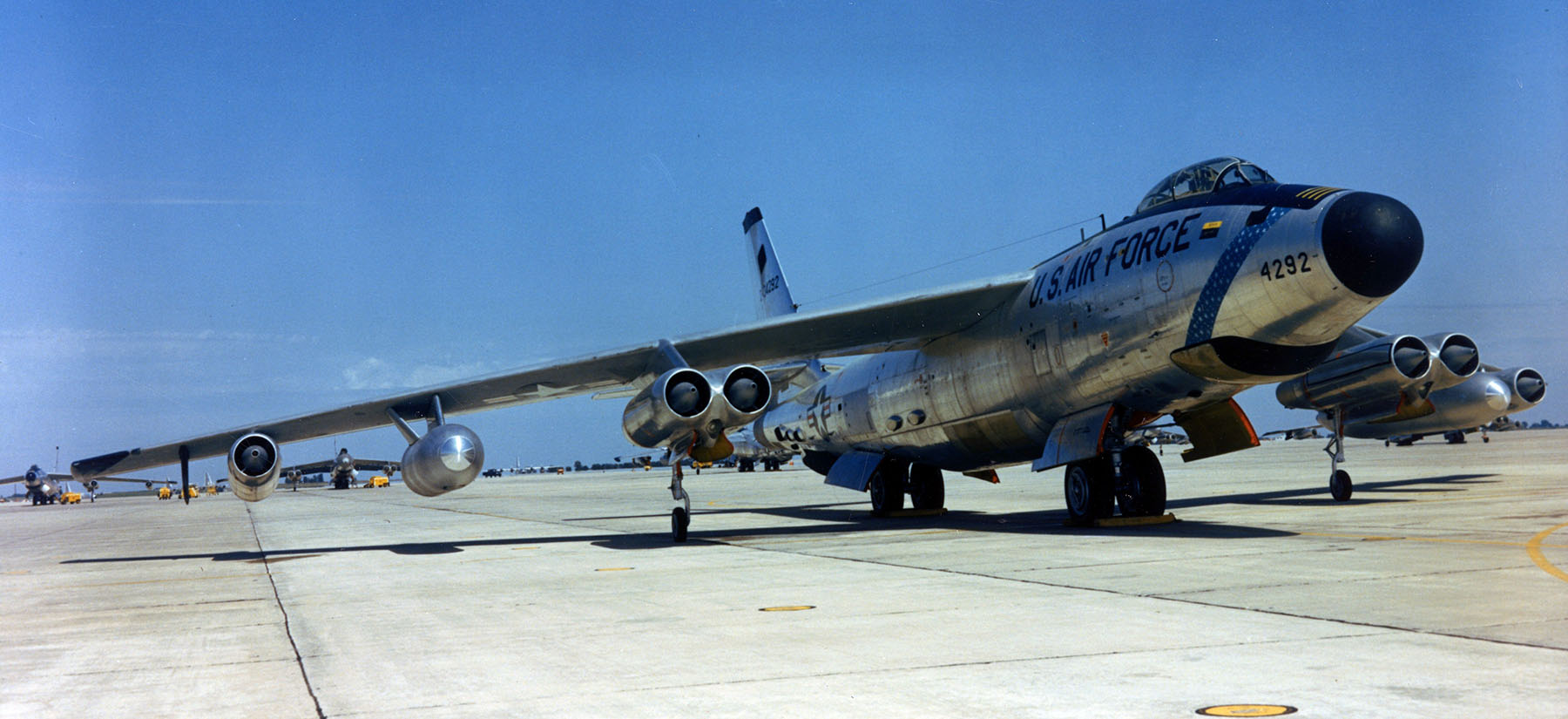
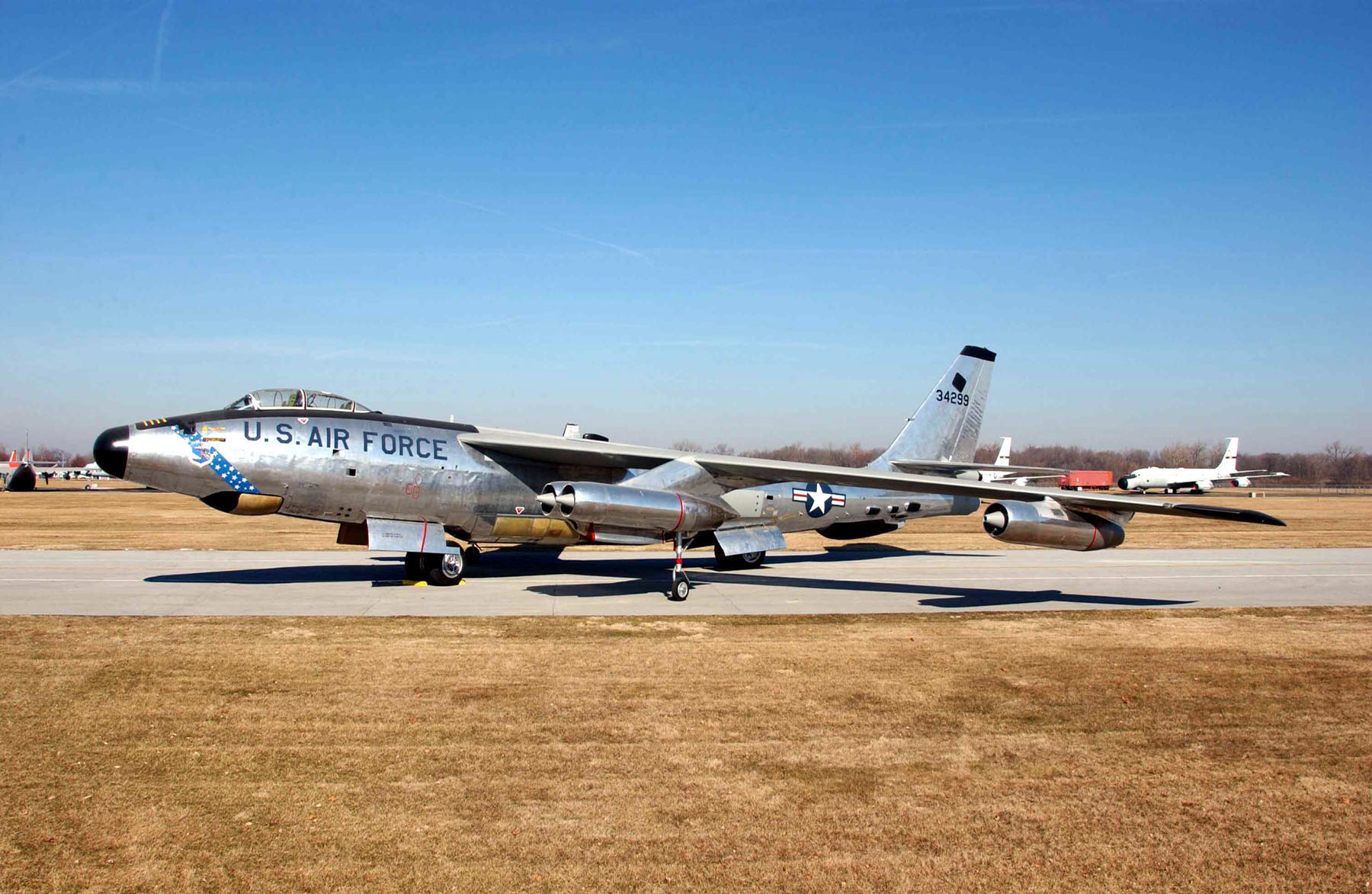
Before dawn on 17 July 1957, a six-man USAF RB-47 crew crossed the Gulf Coast carrying electronic-warfare equipment. During the flight, an anomalous radar-like signal was detected from changing bearings, cockpit crew reported an intense light, and ground-control radar later became involved over Texas. The strength of the case is not that one sensor saw something strange. It is that several different forms of observation were reported during the same sequence — while the raw sensor data needed to settle the correlation are no longer publicly available.

THE ENCOUNTER

The signal appears

Before dawn, the RB-47 crosses the Gulf Coast. An electronic-warfare operator detects a radar-like signal from an anomalous bearing.

Then the crew sees it

Cockpit crew report an intense light. The case is no longer confined to one electronic indication.

Ground radar joins the story

Ground-control radar becomes involved over Texas. The reported sequence now spans airborne electronic detection, visual observation and ground radar.

The case becomes difficult

The visual and electronic contacts are reported to correlate repeatedly. A post-flight intelligence debrief and report follow.

The explanation does not end it

Project Blue Book later proposes an American Airlines flight as the explanation. A later Condon-era review does not reduce the entire sequence cleanly.

ORIGINAL UAP MAP VISUAL

Follow the reported sequence

This reconstruction keeps airborne ECM/ELINT, visual observation and reported ground radar separate. It does not pretend they form one perfect continuous track.

RB-47 flight and sensor sequence

EXPLANATORY RECONSTRUCTION · NOT ORIGINAL 1957 SENSOR OUTPUT
1
STAGE 1

17 Jul pre-dawn RB-47 crosses Gulf Coast

2
STAGE 2

ECM operator detects radar-like signal from anomalous bearing

3
STAGE 3

cockpit crew reports intense light

4
STAGE 4

ground-control radar becomes involved over Texas

5
STAGE 5

visual and electronic contacts reportedly correlate repeatedly

6
STAGE 6

post-flight intelligence debrief/report prepared

7
STAGE 7

Blue Book later proposes American Airlines Flight 655/665 explanation

8
STAGE 8

Condon-era review cannot reduce entire sequence cleanly

No exact clock times, radar-site locations or continuous object track have been invented for this visual. It uses only the approved case chronology.
THE EVIDENCE

Why RB-47 remains a serious case

six professional military witnesses
airborne ECM/ELINT bearings
visual observation
reported ground radar
intelligence and Blue Book documentation
no object photograph or preserved raw sensor recording

The people inside the case

Maj Lewis D. Chase

aircraft commander

Capt Frank McClure and other electronic-warfare officers

Witness / participant

six-man USAF crew

Witness / participant

Duncanville ground-radar personnel

Witness / participant

James E. McDonald

later investigator

What the record still cannot answer

SERIOUS ALTERNATIVES

What could explain it?

Commercial aircraft, anomalous radar propagation, city-light mirage and misinterpreted ground-radar emissions have all been proposed. Those may explain portions of the sequence, but the reported correlation between changing bearings, visual light and ground-radar contact is the central unresolved problem.

A partial explanation is not automatically a whole-case explanation. The central question is whether one conventional scenario can account for the reported relationship between the electronic, visual and radar strands.
THE UAP MAP ASSESSMENT

One of the strongest historical multi-sensor cases.

This is legitimately multi-sensor by historical standards, but the sensors were not all continuously tracking one confirmed physical target. That distinction matters. So does the surviving core of the case: electronic detection, visual observation and reported ground radar appearing within the same sequence, without the raw sensor data needed to settle the question today.

What to remember

GO DEEPER

Sources and case material

Project Blue Book document archiveUse 56-page Blue Book case file and official investigation trail.
James McDonald technical analysisUse six-crew interview reconstruction and sensor-correlation analysis.
Existing recordReconcile ECM, visual and ground-radar strands separately.